
Your Commercial and Industrial Roofing Experts
High-Quality Roofing Contractor
Our Commercial Roofing Services Include:
Commercial Roofs
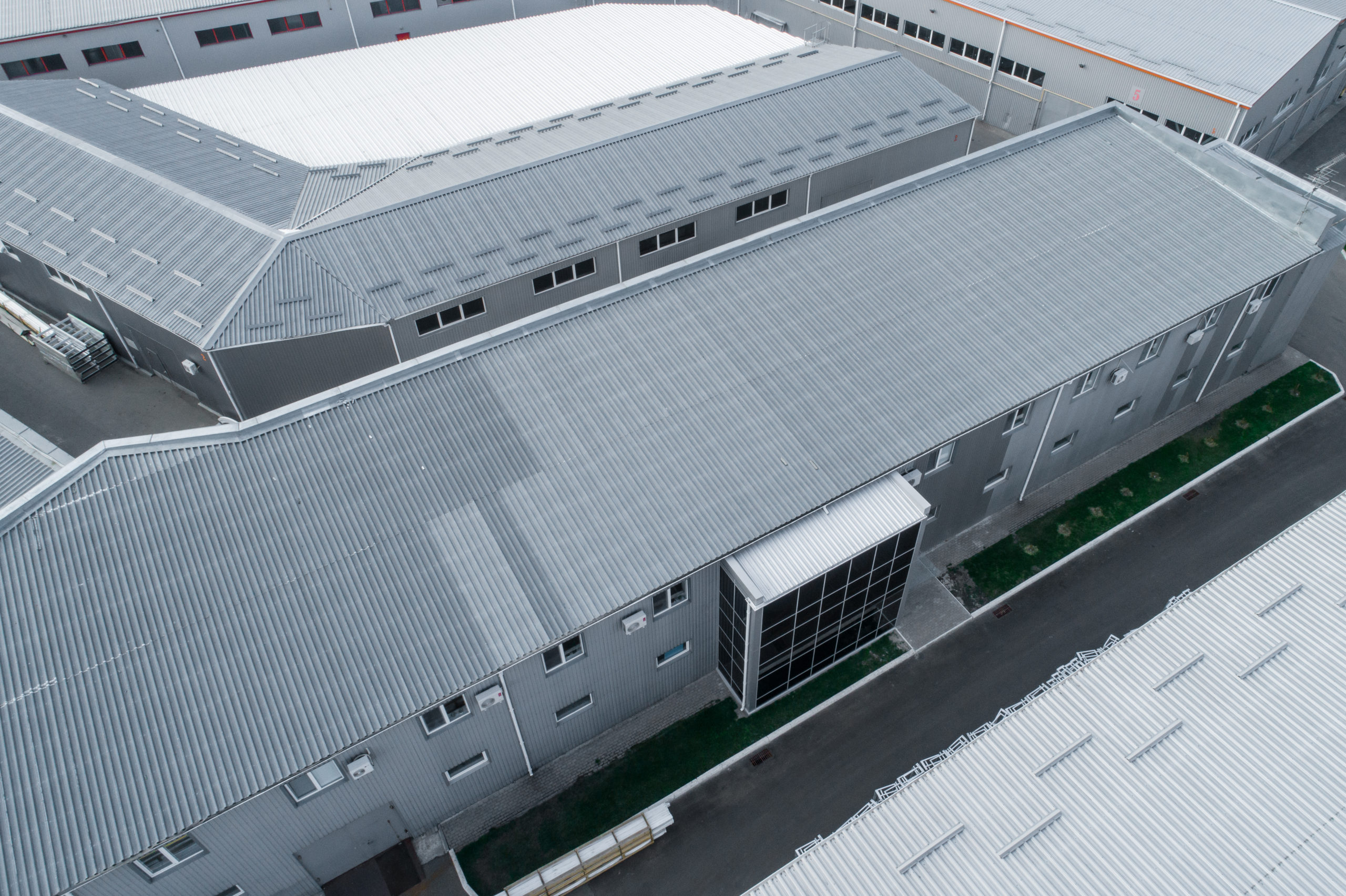
Commercial Roofs
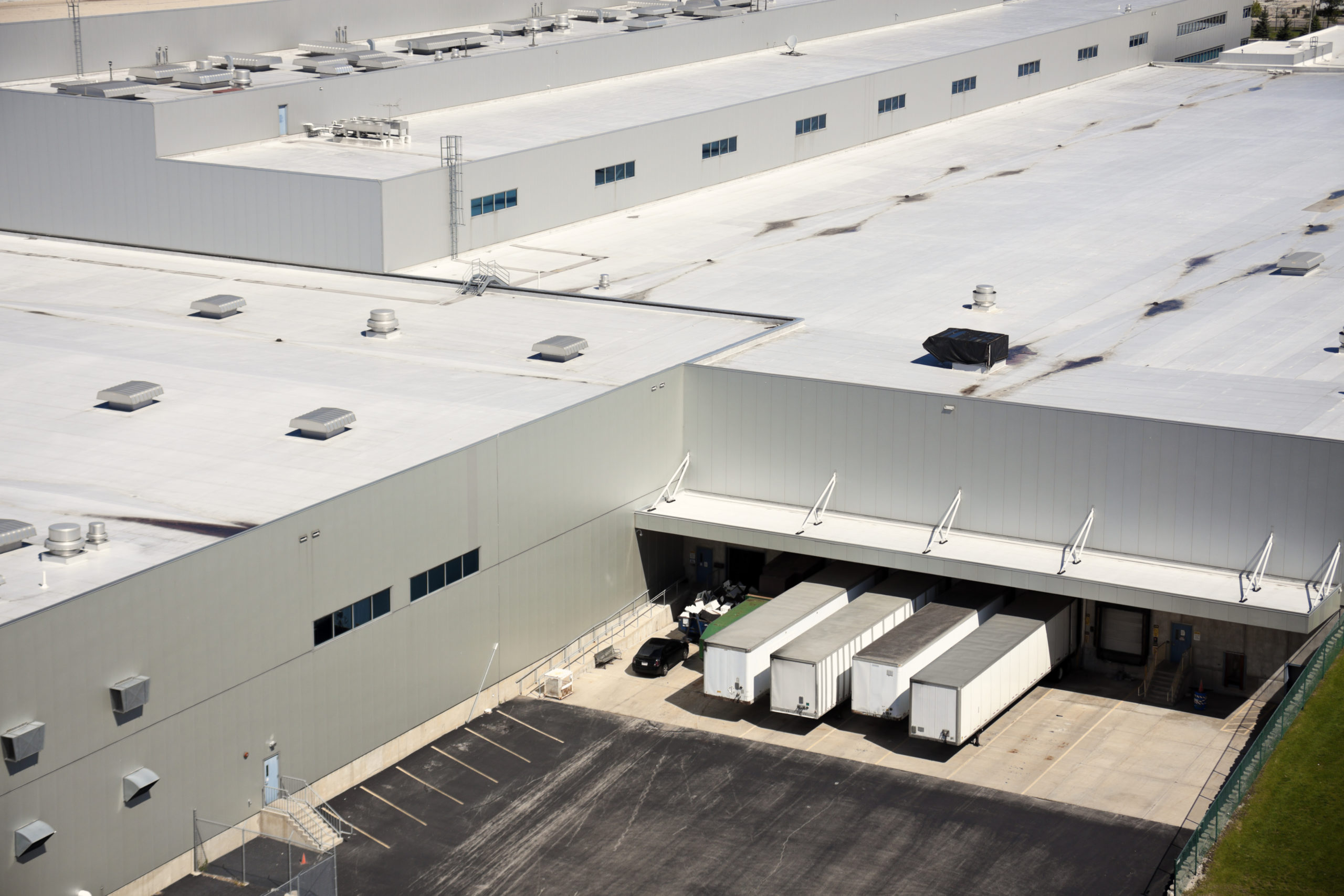
Industrial Roofs
Low Slope Roofing
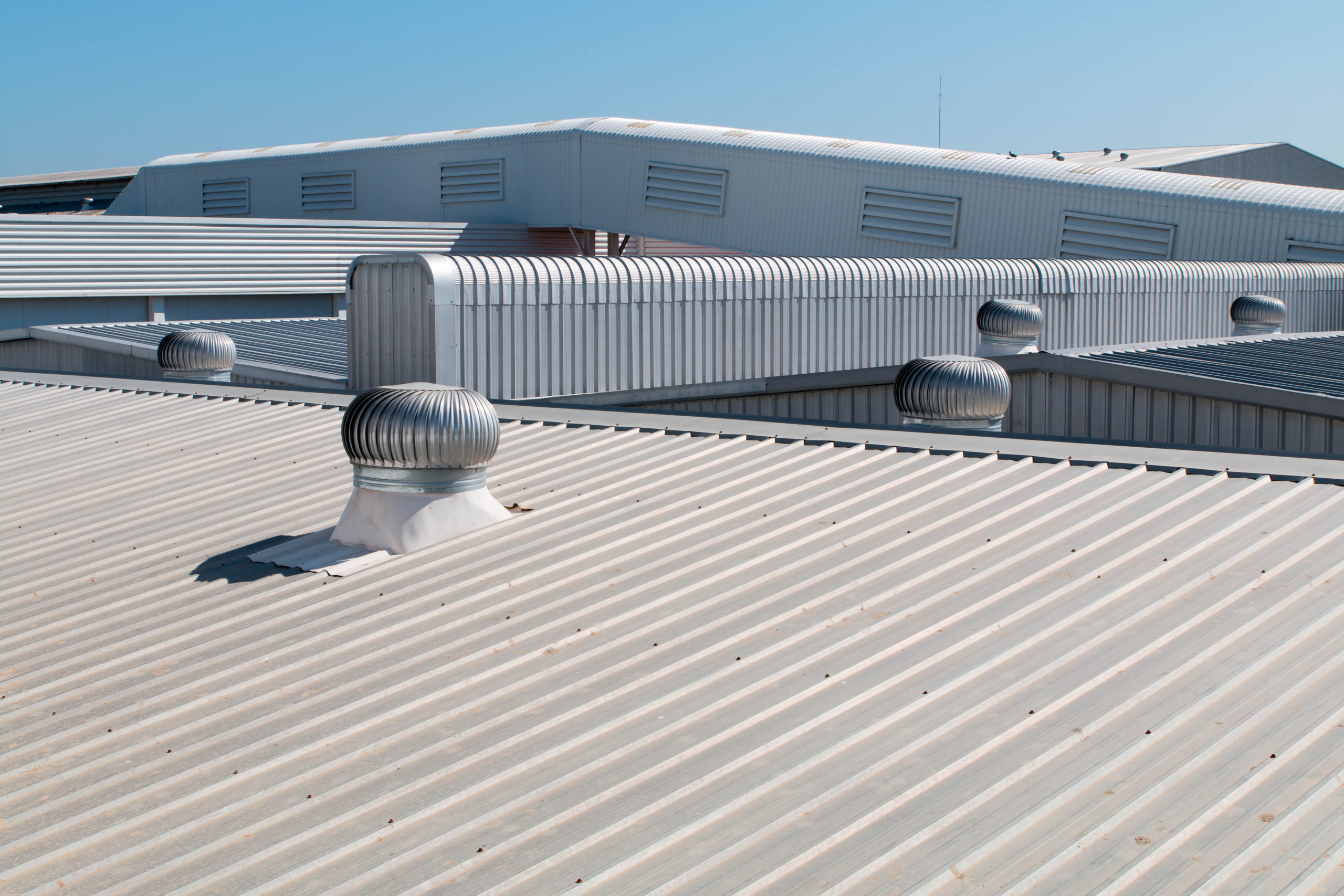
Low Slope Roofing
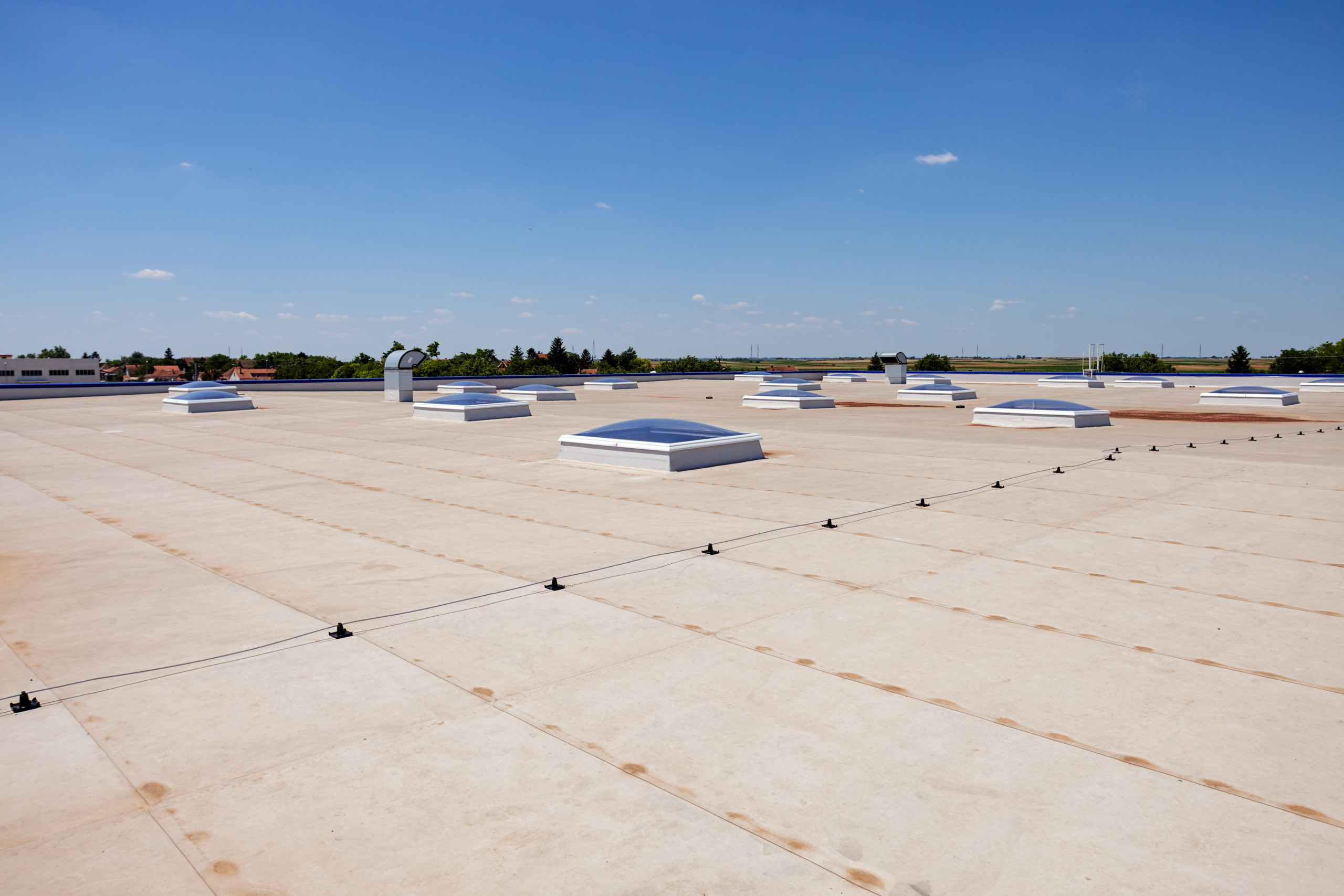
PVC Roofing
EPDM Roofing
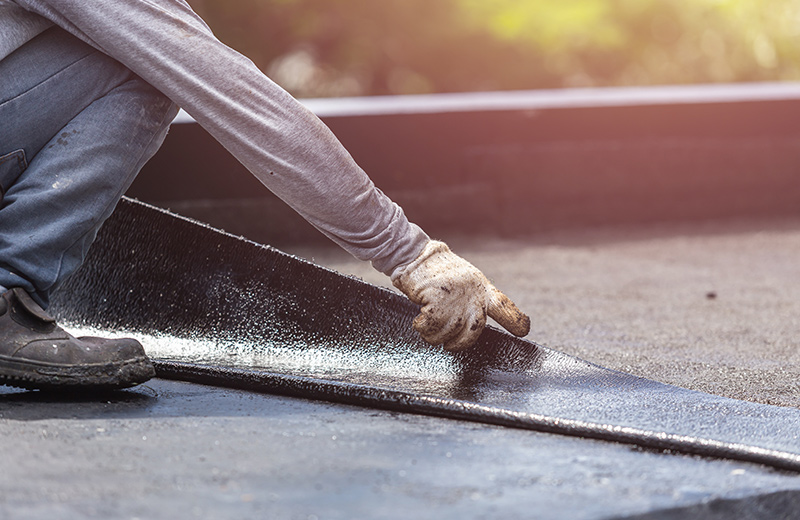
EPDM Roofing
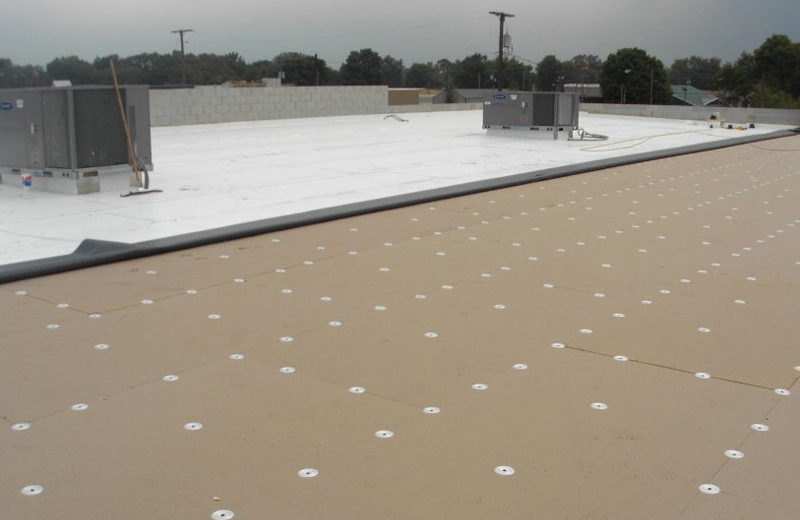
TPO Roofing
Roof Coatings
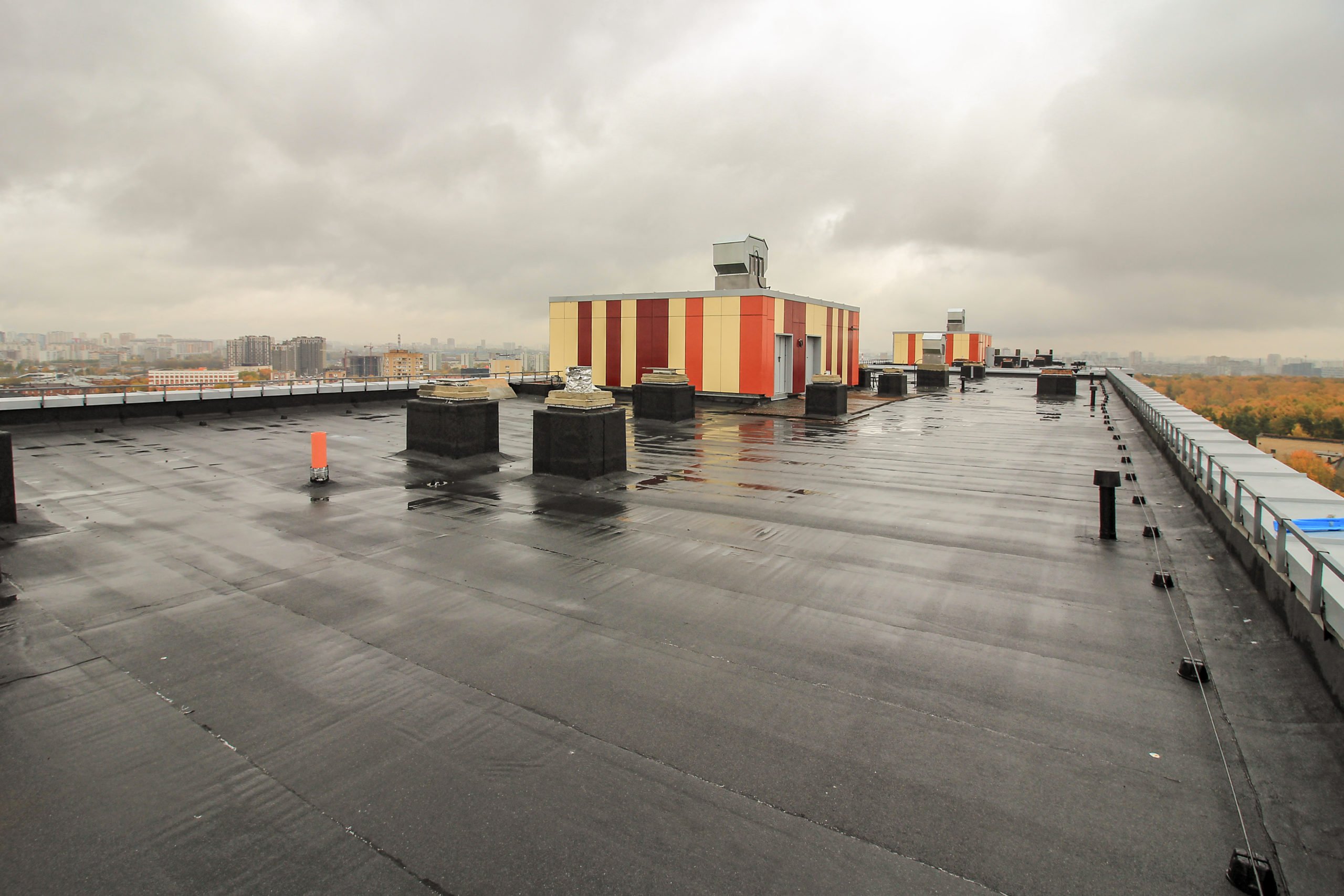
Roof Coatings
Frequently Asked Commercial Roofing Questions
What types of commercial roofing do you install?
We install and service TPO, PVC, EPDM, metal roofing, and roof coating systems for commercial and industrial buildings. The best system depends on your roof slope, building use, budget, and long-term performance goals. We can help you compare the options and choose the right fit for your property.
Do you work on flat roofs and low-slope roofs?
Yes, flat and low-slope roofs are a major part of what we do. These roof types need specialized materials and installation methods to manage drainage, seam integrity, and long-term weather resistance. We regularly work with TPO, PVC, EPDM, and coating systems on these roofs.
Should I repair my roof or replace it?
That depends on the age of the roof, the extent of the damage, and whether the problem is isolated or widespread. If the roof is relatively sound and the issue is limited, a repair may be the best option. If the roof has repeated leaks, membrane failure, or major aging, replacement is often the smarter long-term investment.
What are signs my commercial roof needs repair?
Common warning signs include leaks, wet insulation, ponding water, damaged flashing, blistering, open seams, and visible wear around penetrations. You may also notice rising energy costs or interior staining before a major failure happens. A professional inspection can confirm whether the problem is minor or more serious.
When is roof replacement better than roof repair?
Replacement usually makes more sense when the roof has multiple problem areas, ongoing leaks, or is nearing the end of its service life. Repeated repairs on an aging system can cost more over time than putting that money toward a new roof. A replacement can also improve energy efficiency and reduce maintenance headaches.
What is the best roofing system for a commercial building?
There is no single best roof for every building. TPO is popular for energy efficiency, PVC performs well in harsh or chemical-heavy environments, and EPDM is known for durability and flexibility. Metal roofing and roof coatings can also be smart choices depending on the building and budget.
Do you offer roof coatings?
Yes, roof coatings are one of the services we offer. Coatings can help extend the life of an existing roof, improve reflectivity, and reduce heat gain without the cost of a full replacement. They are often a good option for roofs that are aging but still structurally sound.
How long does a commercial roof last?
Lifespan depends on the roofing material, installation quality, weather exposure, maintenance, and how the roof is used. TPO, PVC, EPDM, metal, and coated systems all have different expected service lives. Regular inspections and timely repairs can help maximize that lifespan.
Do you handle roof maintenance and inspections?
Yes, we can inspect and maintain commercial roofing systems to help catch problems early. Preventive maintenance is one of the best ways to reduce expensive emergency repairs and extend roof life. It also helps keep small issues from turning into larger structural problems.
What kinds of businesses do you work with?
We work with commercial and industrial properties such as warehouses, manufacturing facilities, office buildings, retail centers, and other low-slope structures. Every building has different needs, so we tailor the system and scope to the property. We also work with project managers and property owners to keep the process efficient.
Do you provide quotes before the project starts?
Yes, we provide quotes based on the scope of work, roof condition, materials needed, and the type of system being installed or repaired. A quote helps you understand the options and budget before work begins. For larger jobs, an inspection is often the best first step.
How do I know which roofing material is right for me?
The right system depends on roof slope, building use, exposure to weather, energy goals, and budget. For example, TPO and PVC are common for flat roofs, while EPDM is often used for durable low-slope applications. We can walk you through the pros and cons of each option.
Do you install new commercial roofs?
Yes, we install new commercial roof systems for new construction and major reroof projects. We work with flat and low-slope buildings and can help match the roof system to the building design and performance goals. Proper installation is critical to long-term performance, especially on commercial properties.
Can you replace an old roof without interrupting business operations?
In many cases, yes, we can plan the work to reduce disruption as much as possible. Commercial roofing projects often require staging, scheduling, and coordination with building managers or tenants. We aim to keep the job moving safely while respecting your day-to-day operations.
What areas do you serve?
We serve commercial and industrial customers across Indiana, Michigan, and Illinois. Our city pages are set up to target specific service areas like Fort Wayne, Fishers, Goshen, and South Bend. If you’re outside those cities, it’s still worth reaching out because we may cover your location.
Do you work on metal roofing?
Yes, metal roofing is part of the service mix on your main services page. Depending on the condition of the roof, metal may be repaired, coated, or replaced. It can be a strong option for certain commercial buildings that need durability and longevity.
Are TPO and PVC good for energy savings?
They can be. Both TPO and PVC are commonly used on commercial roofs because they can reflect sunlight and help reduce heat absorption. That makes them popular choices for building owners looking to improve energy performance on low-slope roofs.
How often should a commercial roof be inspected?
A roof should usually be inspected at least once or twice a year, and after major storms. Regular inspections help catch seam failure, membrane damage, flashing issues, and drainage problems before they lead to leaks. They are especially important for older roofs or roofs with past repair history.
Do you repair roof leaks?
Yes, leak repair is a core part of commercial roofing service. We can locate the source of the leak, assess the surrounding roof conditions, and recommend whether repair or replacement makes more sense. Fast action is important because a small leak can lead to insulation damage and interior problems.
What should I do if my roof starts leaking?
Try to contain interior damage if you can, then contact a roofing contractor as soon as possible. The sooner the leak is inspected, the better the chance of limiting damage to insulation, structure, and interior finishes. A leak does not always mean full replacement, but it should be checked quickly.
Testimonials

“Great company to work with and very impressed by the job they did on my roof! Would recommend to any of my friends and family.”
Zach S.
Victor C.
“I have used A-1 for over 20 years and they have done what ever they said they would do and more. I would recommend them 100%.”
Steve K.
Erin B.
“They clean up all of the mess. My wife is picky and she’s telling her co workers to use A1 commercial roofing for all their roof problems.”
Earlie B.
Dianne B.